
Rising prices of new motorcycles have pushed many riders toward the used market. I once went down that path myself. I went to inspect a bike belonging to a friend's acquaintance, and at first glance the price looked like a steal. When I checked the paperwork, however, I caught a red flag—the name on the registration did not match the seller's name. That day taught me that buying a used bike is about far more than price. Without verifying the documents, engine, and history, a cheap motorcycle can quickly become an expensive mistake.
Verify Documents and Ownership
Checking the paperwork is the single most important step when buying a used motorcycle. Inspect the registration certificate, tax token, fitness certificate, and insurance papers. Above all, make sure the seller is the actual owner listed on the registration. Walk away if the names do not match. Many bikes change hands three or four times without formal ownership transfers, leaving the final buyer stuck in legal and administrative trouble.
Check the official fee and timeline for ownership transfer beforehand. Transferring ownership through the BRTA requires a set fee and takes some time to process. Never trust a seller who claims a name transfer is unnecessary—legally, the bike is not yours until it is registered in your name. Also keep a copy of the seller's National ID card for your records.
Check for Theft or Accident History
Many buyers skip this step, which is where the biggest risks hide. Match the motorcycle's chassis number and engine number against the registration documents. Be alert for any signs of tampering, grinding, or altered digits. If possible, verify through a police station or a trusted contact that the bike is not linked to any theft report—buying a stolen bike means losing both your money and facing legal trouble.
Look closely for signs of past accidents as well. Fresh patches of paint on the tank or frame, a bent handlebar, or mismatched replacement parts can all point to a crash. A bike involved in a major accident may have a weakened frame, making it unsafe to ride. Ask the seller directly whether the bike has ever been in an accident; their reaction often reveals if they are hiding something.
Inspect the Engine and Parts While Cold
Keep one smart trick in mind when viewing a used bike: ask the seller not to warm up the engine before you arrive. Start the engine cold and observe how it behaves. A healthy cold engine should start smoothly without excessive cranking or smoke. White or blue exhaust smoke indicates the engine is burning oil—a serious warning sign.
Check underneath the engine for oil leaks, which point to worn seals or gaskets. Test the brakes, clutch, gears, horn, and all lights. Inspect the chain and sprockets for wear, and check tire tread depth since replacing tires can cost several thousand taka. If you have a mechanic friend, bring them along—they will spot issues you might easily miss.
Verify the Odometer and Mileage
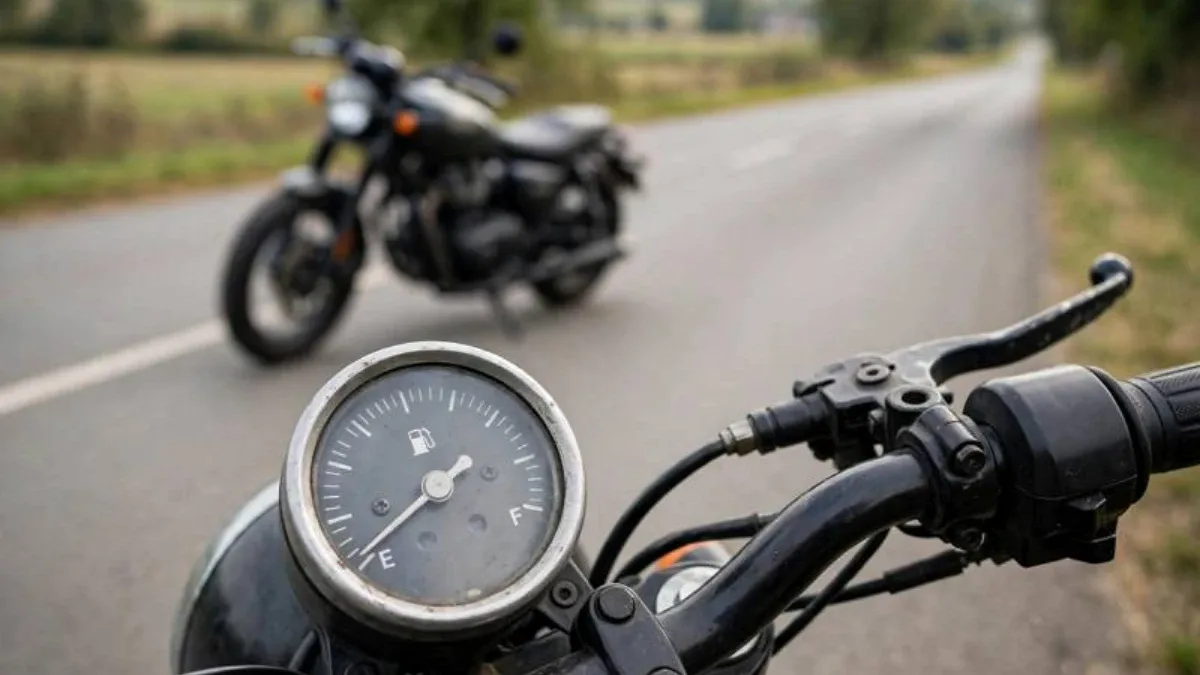
Odometer tampering is a common scam in the used bike market—a motorcycle ridden 50,000 kilometers might be rolled back to show 20,000. Instead of trusting the meter blindly, examine the bike's overall wear. Check the seat, handlebar grips, footpegs, and tires to gauge how heavily it has actually been used.
Ask for service records if available. A well-maintained motorcycle with higher mileage often runs better than a neglected one with low numbers. Also ask why the seller is parting with the bike—their answer often tells you whether they are upgrading or trying to offload a problematic machine.

Compare Market Prices and Negotiate
Research the going rate for the exact make and model before you negotiate. Browse online classifieds and check a few local showrooms to understand fair pricing based on model year, mileage, and condition. Older or heavily ridden bikes should naturally cost less.
Do not hesitate to negotiate. Point out any flaws you found—such as worn tires or a stretched chain—and factor their replacement costs into your offer. Before handing over money, get a written receipt signed with the seller's name, address, bike registration number, and agreed price. Whenever possible, pay via bank transfer so you have a clear paper trail.
What to Do After Buying
Immediately after purchasing, apply for the ownership transfer without delay—waiting only invites complications. Change the engine oil, and have a mechanic inspect the brakes and chain. Invest in a quality helmet, and apply for a driving license if you do not already have one.
Ride the bike on short local trips for the first few days to listen for unusual noises or handling issues, and have a mechanic check anything that feels off. With regular care, a used motorcycle can serve you well for years. Above all, never rush the purchase—finding a clean, reliable bike takes patience, but it saves you from costly regrets.
FAQ
What is the most important thing to check before buying a used motorcycle?
Verifying the paperwork and ownership is the top priority. Confirm that the seller's name matches the registration certificate and that the tax token and fitness documents are up to date.
How can you spot a rolled-back odometer on a used bike?
Inspect the wear on the seat, grips, footpegs, and tires to estimate real usage. Heavy wear on these parts is a strong clue that the bike has traveled farther than the meter shows.
How much does it cost to transfer ownership of a used motorcycle?
The BRTA charges a fixed fee for ownership transfer, and processing takes a few days. Confirm the exact fee and timeline in advance, and collect all required documents from the seller before paying.

Discussion & Comments (0)
No comments on this post yet. Be the first to comment!