
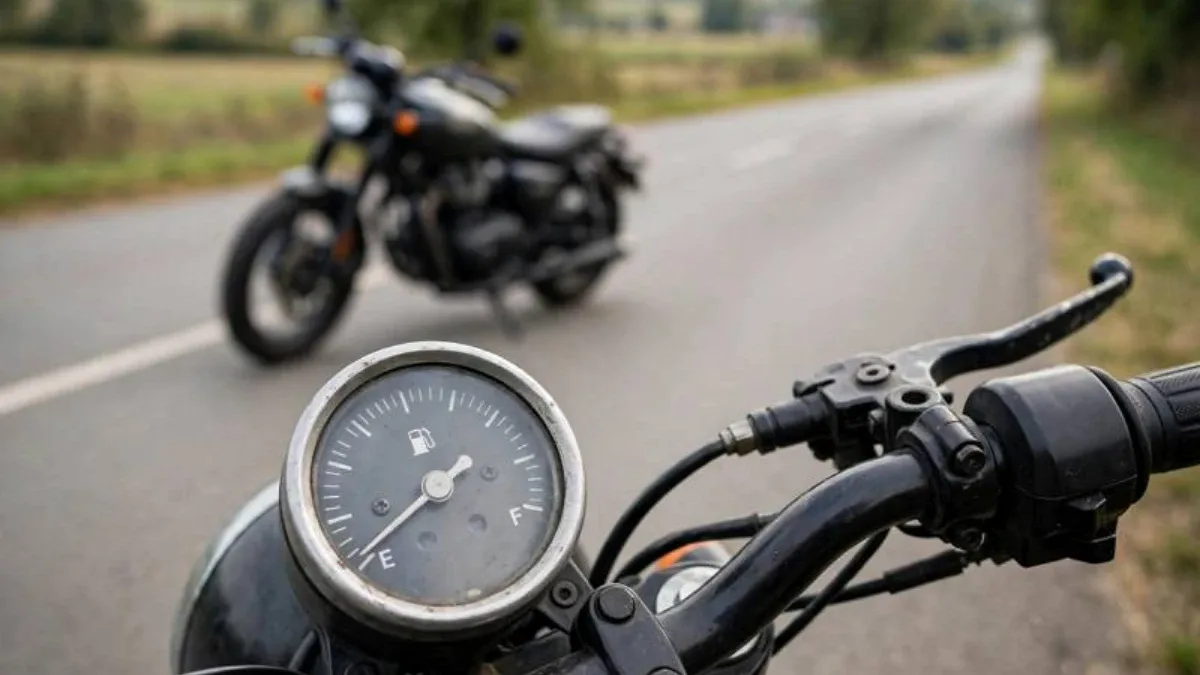
Do you ride your bike every day and feel like your fuel expenses keep climbing? Maybe you used to get 50 kilometers per liter, and now you are barely getting 40. It is frustrating to see your mileage drop, but changing a few simple habits can make a big difference. In this article, I will share seven practical ways to increase your bike's mileage. None of them are difficult—just riding smoothly, keeping up with basic maintenance, and avoiding common mistakes will help lower your fuel costs.
Ride at the Right Speed
Your riding speed has the biggest impact on fuel efficiency. Riding too slowly or too fast both burn extra fuel. For most bikes, the sweet spot for fuel economy is between 40 and 60 km/h. Sudden acceleration and hard braking waste a lot of fuel, so build up speed gradually and ease off the throttle early when you spot traffic ahead. Using the right gear matters too: riding in a high gear at low speed strains the engine, while staying in a low gear at high speed guzzles fuel. Listen to your engine and shift gears smoothly at the right moments.
Maintain Proper Tire Pressure
Underinflated tires create extra rolling resistance, forcing your engine to work harder and burn more fuel. Many riders overlook tire pressure, so make it a habit to check yours once a week. Your bike's manual lists the exact recommended pressure—typically 25 to 28 PSI for the front tire and 28 to 32 PSI for the rear tire, though this varies by model. Worn-out or aging tires can also hurt mileage and reduce road grip, increasing the risk of skidding. Inspect your tires regularly to keep them in good shape.
Keep Up with Servicing and Engine Oil
Regular servicing is essential for maintaining good mileage. A clogged air filter restricts airflow to the engine, causing it to burn more fuel, so clean or replace it every few thousand kilometers. Change your engine oil on schedule as recommended in your owner's manual, since old oil increases internal friction. Using good-quality oil keeps your engine running smoothly. Also check your spark plug—a faulty spark plug leads to incomplete combustion and lower mileage, so ask your mechanic to inspect it during routine service.
Use Quality Fuel
Not all petrol is the same. Clean, high-quality fuel keeps your engine running efficiently, while adulterated fuel from unreliable sources quickly drops your mileage. Always refuel at a trusted station. You do not need to keep the tank topped up all the time, but avoid running on near-empty, as sediment at the bottom of the tank can enter the engine—try to refill before dropping below half a tank. Also make sure your fuel cap seals tightly so fuel does not evaporate.
Reduce Unnecessary Weight
Extra weight forces your bike to use more fuel. Avoid carrying heavy boxes or unnecessary items on your bike every day. Riding with a pillion passenger naturally lowers mileage slightly, which is normal, so keep your bike free of extra clutter when riding solo. In addition, check your chain tension regularly—a loose chain wastes engine power—and keep the chain properly lubricated.
Do Not Idle the Engine Unnecessarily
Leaving your engine running while stuck in traffic wastes fuel. If you expect to wait for more than a minute, switch the engine off, though avoid turning it off and on repeatedly in short bursts. When starting your bike in the morning, you do not need to let it warm up for ages—one to two minutes is plenty. Also avoid riding with the clutch half-pressed, as this puts unnecessary strain on the engine and increases fuel consumption.
Track Your Mileage and Adjust Your Habits
To improve your mileage, you first need to know your baseline. Fill the tank, note your odometer reading, and calculate how many kilometers you covered the next time you refuel. Keep a simple log in a notebook or on your phone with the date, fuel volume, cost, and distance traveled. This helps you see whether your mileage is improving or dropping, especially after a service. If your mileage suddenly plunges, have a mechanic check the engine right away—catching issues early prevents bigger repair bills.
Frequently Asked Questions
What should I do if my bike's mileage suddenly drops?
Start by checking your tire pressure, air filter, and engine oil. If the issue persists, visit a trusted mechanic and have them inspect the spark plug and carburetor.
What speed gives the best bike mileage?
For most commuter bikes, riding steadily between 40 and 60 km/h delivers the best fuel economy, though the exact range can vary slightly depending on the model.
Does good-quality fuel really improve mileage?
Yes, clean, quality fuel keeps your engine healthy and efficient, whereas adulterated fuel reduces mileage. Always buy fuel from a reputable station.

Discussion & Comments (0)
No comments on this post yet. Be the first to comment!