
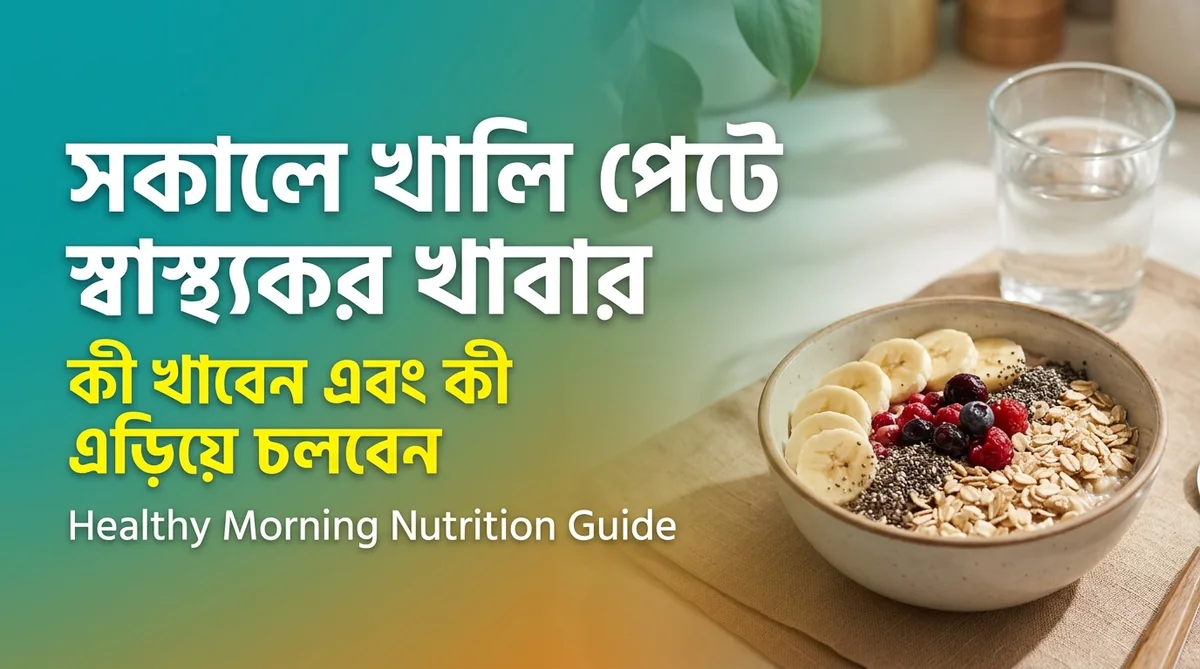
After an overnight fast of seven to eight hours, your digestive system is rested and sensitive. What you put into your stomach first thing in the morning directly shapes your digestion, blood sugar stability, and energy levels for the rest of the day. Choosing gentle, nutrient-dense foods supports metabolism, while harsh or overly sugary choices can trigger acidity and sluggishness.
Best Foods to Eat on an Empty Stomach
Nutritionists generally recommend starting the morning with hydrating, easily digestible foods rich in fiber, protein, and healthy fats:
- Lukewarm Water: Drinking a glass of lukewarm water right after waking rehydrates your body, stimulates bowel movement, and prepares your digestive tract for breakfast.
- Soaked Almonds and Dates: Eating four to five overnight-soaked, peeled almonds provides vitamin E, healthy fats, and protein while being easier to digest. Pairing them with one or two dates offers natural energy and gentle fiber.
- Oats or Chia Seeds: Oatmeal delivers soluble fiber (beta-glucan) that keeps you full for hours and supports heart health. Overnight-soaked chia seeds add omega-3 fatty acids, calcium, and antioxidants.
- Boiled Eggs: A boiled egg supplies complete protein and essential amino acids, helping stabilize blood sugar and sustain mental focus throughout the morning.
Foods to Avoid on an Empty Stomach
Even foods you enjoy later in the day can irritate an empty stomach lining when eaten first thing:
- Spicy and Deep-Fried Foods: Heavy oil and strong spices early in the morning often cause acid reflux, bloating, and heartburn.
- Sugary Drinks and Packaged Juices: Refined liquid sugar causes a rapid spike in blood glucose followed by a mid-morning energy crash.
- Citrus Fruits (If Sensitive): Oranges, lemons, or pineapples contain citric acid that can irritate sensitive stomachs when eaten alone.
- Strong Coffee or Milk Tea First Thing: Drinking caffeine before eating increases stomach acid production, which may lead to indigestion or nausea.
Morning Food Comparison Guide
| Food / Drink | Empty Stomach Rating | Key Benefit or Risk | Best Way to Consume |
|---|---|---|---|
| Lukewarm Water | Highly Recommended | Rehydrates and wakes up digestion | 1 glass immediately upon waking |
| Soaked Almonds & Dates | Excellent | Sustained energy, healthy fats, micronutrients | Soak overnight; peel almonds before eating |
| Oats & Chia Seeds | Very Good | High soluble fiber and steady satiety | Cooked oats or overnight-soaked chia |
| Boiled Eggs | Very Good | High-quality protein for muscle and focus | 10–15 minutes after morning water |
| Fried Snacks & Coffee | Best Avoided | Triggers acidity, reflux, and energy crashes | Enjoy after eating a balanced meal |
Common Mistakes and Healthy Morning Tips
Skipping breakfast entirely in hopes of losing weight often backfires by slowing energy levels and causing overeating at lunch. Aim to eat a balanced breakfast within 30 to 45 minutes of waking up. If you love morning tea or coffee, pair it with a small handful of nuts or whole-grain toast rather than drinking it on an empty stomach.
Frequently Asked Questions (FAQ)
1. Is warm lemon water safe for everyone on an empty stomach?
While many people tolerate it well, anyone with acid reflux, gastritis, or stomach ulcers should skip the lemon and stick to plain lukewarm water.
2. Should I eat bananas on an empty stomach?
Bananas are nutritious, but eating them alone on an empty stomach may cause mild acidity in some people. Pairing sliced banana with oats or yogurt is gentler.
3. How long should I wait to eat breakfast after drinking morning water?
Waiting about 15 to 20 minutes after your morning glass of water gives your digestive system time to activate before handling solid food.

Discussion & Comments (0)
No comments on this post yet. Be the first to comment!