

Diabetes is a condition that can quietly damage the body for years without causing obvious pain or discomfort. Type 2 diabetes in particular develops gradually, so many people do not realize their blood sugar levels are higher than normal in the early stages. Often, by the time complications appear in the eyes, kidneys, nerves, or heart, the condition has already progressed significantly. Yet the body usually sends subtle warning signals well in advance—and recognizing them allows you to get tested and consult a doctor in time. This article is not medical advice or a diagnosis; it is meant purely to raise awareness so you do not overlook early signs.
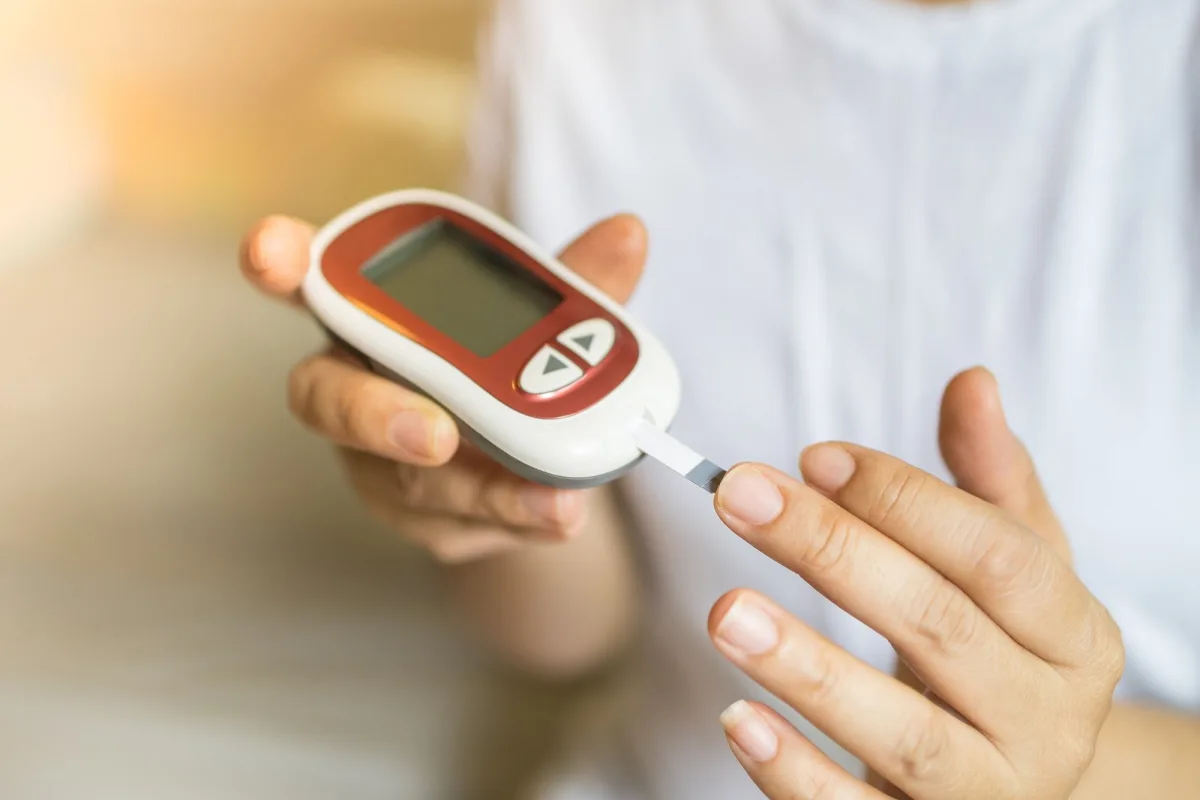
Silent Symptoms You Should Not Overlook
The early signs of diabetes can be so ordinary that many people dismiss them as fatigue, hot weather, or simply getting older. A single symptom on its own does not mean you have diabetes, but if several of these persist together for a few weeks, getting checked is a wise step. Keep an eye out for the following signals.
- Frequent urination, especially waking up multiple times at night to use the bathroom.
- Unusual thirst, with your mouth feeling dry even after drinking water.
- Increased hunger soon after eating, along with unexplained weight loss or gain.
- Persistent tiredness and weakness throughout the day, even after a full night's sleep.
- Cuts, scrapes, or wounds that take unusually long to heal.
- Tingling, numbness, or a burning sensation in the hands or feet.
- Blurred vision that seems to fluctuate from day to day.
- Recurring skin infections or persistent itching.
These symptoms can also stem from many other health issues. Because of that, you should never jump to conclusions based on symptoms alone—the right approach is to get tested and speak with a doctor.
Who Is at Higher Risk
Some people face a greater likelihood of developing diabetes than others. Knowing your risk factors helps you stay proactive and get screened regularly for peace of mind. Having a parent or sibling with diabetes increases your risk, and carrying excess weight—especially around the abdomen—raises it further.
- Having a close family member diagnosed with diabetes.
- Being overweight or carrying excess fat around the waist.
- Getting very little physical activity or spending most of the day sitting.
- Increasing age, with risk rising notably after ages 35 to 40.
- A history of high blood pressure or elevated blood cholesterol/triglyceride levels.
- Having had high blood sugar during pregnancy, which increases long-term risk later in life.
Having risk factors does not mean diabetes is inevitable. Doctors often emphasize that being aware of your risk allows you to make small lifestyle adjustments and get regular checkups, which can prevent or delay the condition in many cases.
Testing and the Doctor's Role
The only reliable way to confirm whether you have diabetes is through a blood test. Typically, fasting blood glucose is measured, alongside an HbA1c test that reflects your average blood sugar levels over the past few months. Which tests you need, what the results mean, and what steps to take next are decisions only a qualified physician can properly guide.
- After age 35 to 40, include blood sugar screening as part of your routine health checkups.
- If you have risk factors or noticeable symptoms, get tested without delay regardless of your age.
- Confirm the exact fasting instructions with the lab the night before your test.
- Have a doctor interpret your lab report rather than trying to read the numbers on your own.
- Even if your results come back normal, repeat testing at intervals recommended by your doctor if you carry risk factors.
⚠ Warning: Starting, stopping, or changing the dose of diabetes medication on your own based on articles online or someone else's experience can be extremely dangerous. Likewise, never treat home remedies or unfamiliar herbal mixes as a substitute for prescribed medicine. This guide is for general awareness only and does not replace professional diagnosis or treatment. If you have symptoms or concerns, always consult a licensed doctor.
Daily Habits That Help
Alongside medical guidance, everyday habits play a major role in preventing and managing diabetes. Eating balanced, portion-controlled meals, cutting back on sweets and heavily fried foods, walking or exercising regularly, and maintaining a healthy weight are beneficial habits for almost everyone. Getting enough sleep and managing stress also support overall health. However, the exact diet or exercise routine that suits you best depends on your personal health profile, which a doctor or dietitian can help tailor.
- Try to eat balanced portions at regular meal times each day.
- Cut down on refined sugar and sweetened drinks as much as possible.
- Build a habit of walking for at least a short period every day.
- Avoid smoking and keep a regular check on your weight.
Pay extra attention to these signs in older family members, as many aging adults brush off minor discomforts as normal and avoid mentioning them. If you notice any of these changes in someone at home, gently encourage them to get tested without causing alarm, and offer to accompany them to the doctor if needed. That small step taken in time can prevent serious complications down the road.
Final Thoughts
The greatest danger of diabetes lies in how quietly it develops. Even mild symptoms can be important messages from your body. If signs like frequent urination, excessive thirst, slow-healing wounds, or tingling in your hands and feet last for several weeks, do not ignore them—get tested and talk to a doctor.
Remember, when caught early and managed under a doctor's care, diabetes can be kept under control so you can continue living a normal, active life. Look after your own health and that of older loved ones, and turn regular checkups into a routine habit rather than something to fear. Awareness is your strongest protection against this silent condition.
📱 Join my Telegram channel for more daily tips like this: https://t.me/earnhelosp




Discussion & Comments (1)