
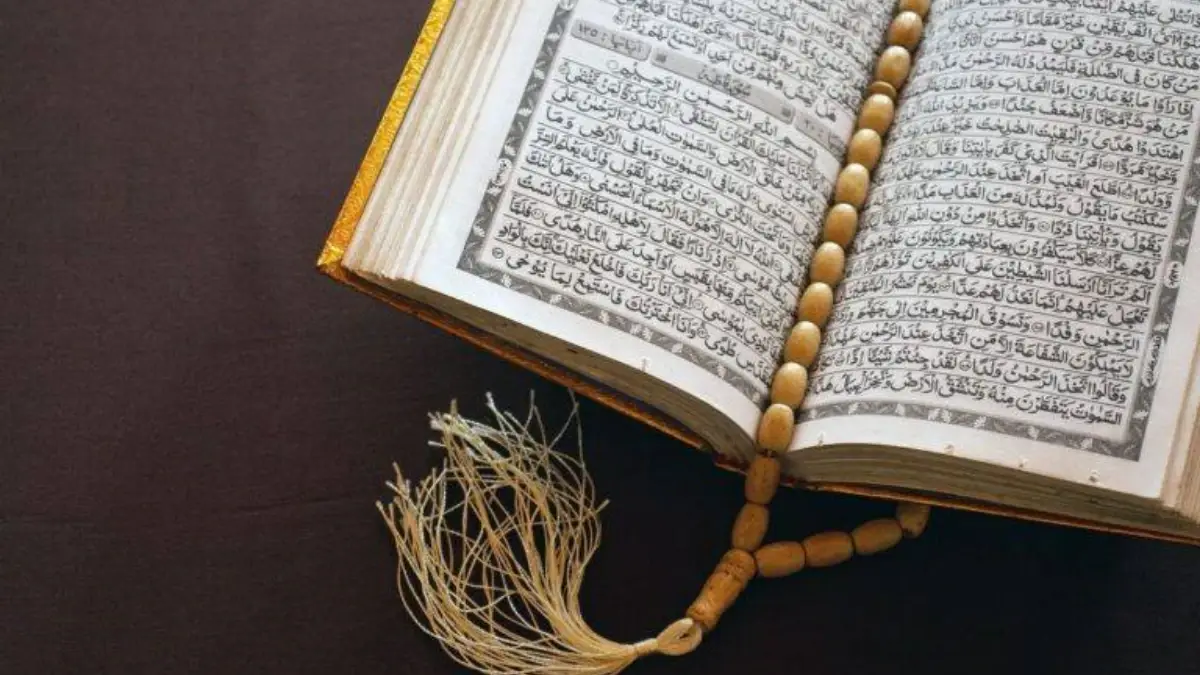
Many Muslims can read the Quran, yet feel discouraged because their recitation is not completely accurate. Mispronouncing letters can change the meaning of words, which makes learning proper recitation very important. However, there is no reason to feel intimidated. No matter your age, patience and regular practice can help you recite accurately. In this guide, we will look at simple ways to improve your Quran recitation.
Start by Learning Makharij
Makharij refers to pronouncing each Arabic letter from its exact point of articulation in the mouth or throat. Some letters originate from the throat, while others come from different parts of the tongue or lips. Many learners struggle to tell similar-sounding letters apart. That is why it helps to practice each letter's pronunciation individually at first. Learning by listening to a qualified teacher is the best approach.
- Practice the pronunciation of a few letters every day
- Record yourself reciting and listen back to catch mistakes
- Pay close attention to the differences between similar letters
- Take your time and learn slowly without rushing
When practicing Makharij, watching your mouth in a mirror can help you see the exact position of your tongue and lips. Repeating incorrect pronunciation turns it into a habit, so aim to learn the right sound from the start. Even a few minutes of focused practice each day makes a real difference.
Learn the Basics of Tajweed
Tajweed is the set of rules for reciting the Quran accurately and beautifully. It covers principles such as Ghunnah, Madd, Ikhfa, and Idgham. You do not need to learn every rule all at once. Start with the simpler ones—such as Ghunnah on Noon and Meem, or basic Madd—and gradually work your way up to more advanced rules. Use a good book or a teacher to study each rule with clear examples.
- Start with the simplest Tajweed rules first
- Practice every rule using real examples
- Focus on understanding the rules rather than just memorizing them
- Apply what you learn directly in your daily recitation
As you learn Tajweed, practice with short Surahs like Surah Al-Fatihah and the shorter Surahs at the end of the Quran. Repeating them helps lock the rules into memory. Do not get discouraged when you make mistakes—catching an error is simply an opportunity to improve. Recite regularly in front of a teacher or someone knowledgeable.
Build a Daily Practice Routine
Consistency is key to perfecting your recitation. Reading for a long stretch once in a while and then skipping several days will not help much. Set aside 20 to 30 minutes every day to learn new verses and review older ones. Quiet times, such as after Fajr or at night, are ideal. You can also listen to skilled Qaris on your phone and follow along.
- Set a fixed time to practice every day
- Learn small portions thoroughly rather than rushing through large sections
- Review previously learned portions regularly
- Listen to and imitate renowned Qaris
Recite slowly during practice, as rushing leads to more mistakes. Pause properly at each Ayah. Understanding the meaning of what you read also deepens your focus, so make it a habit to read a simple translation alongside your recitation. This makes your reading more meaningful and rewarding.
Avoid Common Mistakes
A few common mistakes appear frequently in recitation, such as altering letter sounds, skipping elongations (Madd), or stretching sounds where they should not be stretched. Another frequent issue is not knowing where to stop or pause, which can alter the meaning of a verse. Reciting regularly to someone who knows the rules helps catch these errors, as it is hard to spot them on your own.
- Be careful not to mispronounce individual letters
- Follow the proper rules for elongation
- Learn the correct stopping and pausing points
- Correct your mistakes openly without feeling shy
Many people focus heavily on melody while overlooking pronunciation. A pleasant tone is wonderful, but accuracy always comes first. Focus on getting the pronunciation right before working on your tune, and listen to accomplished Qaris to develop a natural rhythm.
The Value of a Teacher and Patience
A good teacher plays a vital role in learning the Quran, pointing out subtle mistakes and guiding you toward the right habits. You can learn from a local imam, a madrasa teacher, or a trusted online instructor—just make sure to choose a reliable source if learning online. Above all, be patient with yourself, as accurate recitation takes time to develop.
Set Small Goals
Instead of setting overwhelming goals, start small—for example, mastering the recitation of one Surah this week. Once you reach that goal, move on to the next. Taking it step by step builds confidence. Practicing together with family members can also keep everyone motivated and encouraged. Make dua to Allah to make learning and reciting the Quran easy for you.
FAQ
Can you improve your Quran recitation as an adult?
Yes, definitely. Age is never a barrier. With patience and consistent daily practice, anyone can learn to recite the Quran accurately at any stage of life.
How long should I practice reciting each day?
Twenty to thirty minutes of daily practice is plenty. Spending a short, consistent amount of time each day is far more effective than studying for hours only once in a while.
Can I read the Quran without knowing Tajweed?
You can still read it, but learning Tajweed is important for reciting accurately. Start with the basic rules and gradually refine your recitation over time.




Discussion & Comments (0)
No comments on this post yet. Be the first to comment!