
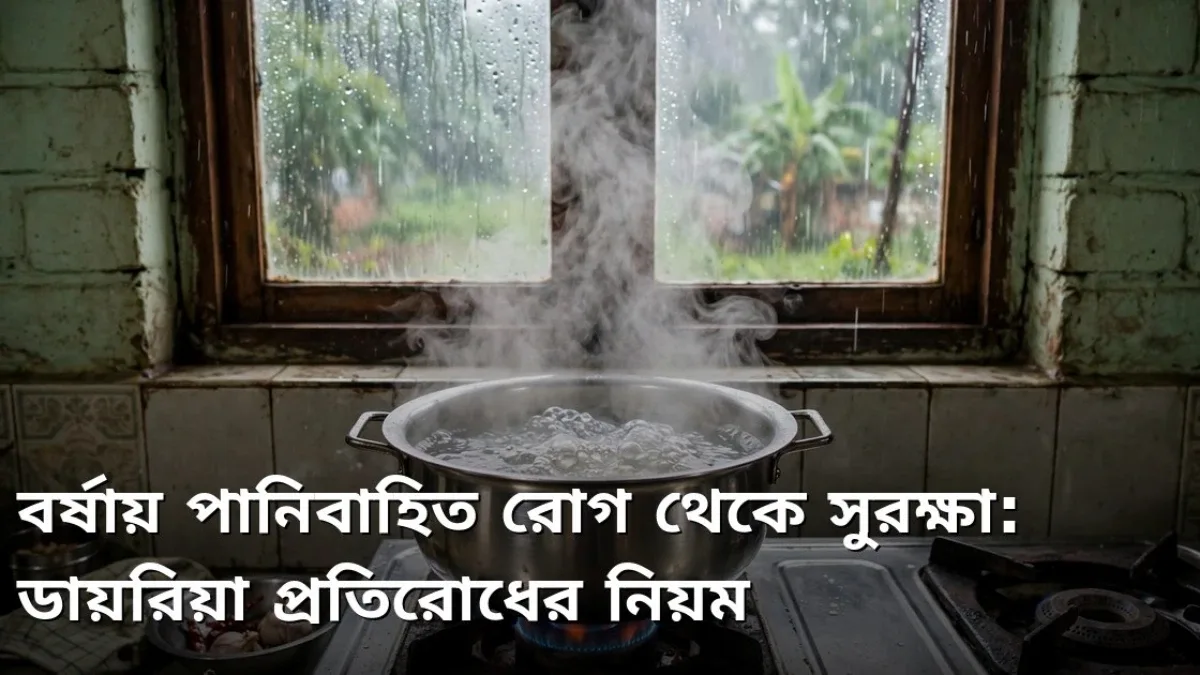
Every monsoon, hospital wards fill up with diarrhea patients, and news reports warn of waterborne disease outbreaks. Rainwater washes sewage and debris into water sources, and flooding or waterlogging makes the risk even higher. For young children and older adults, diarrhea can even be life-threatening because the body loses fluids and salts rapidly. The reassuring news is that preventing these illnesses is simple and inexpensive: safe water, proper handwashing, and careful food handling. In this guide, we will cover practical rules to keep your family safe from waterborne diseases during the monsoon, what to do at home if diarrhea strikes, and when you must go to the hospital.
Safe Water Is Your First and Primary Defense
Contaminated water is the main carrier of waterborne diseases, so ensuring safe drinking water is the foundation of prevention. The most reliable method is to boil water thoroughly and let it cool before drinking—keeping it at a rolling boil for a short while kills most germs. If boiling is not possible, use a quality water filter or purification method, though remember that a filter can become a hazard itself if not cleaned and maintained regularly. Store drinking water in a clean, covered container and use a clean, long-handled ladle to scoop it out; dipping your hands into the container can contaminate the entire supply. When going out, carry your own water bottle and avoid drinking open water from unfamiliar sources. Since ice is also made from water, ice prepared from unsafe water carries the same risk, so it is best to avoid outside ice during the rainy season.
- Boil drinking water and let it cool before consumption.
- Store water in covered containers and never dip your hands inside.
- Carry your own bottled water when stepping outside.
- Clean and maintain water filters on a regular schedule.
Handwashing and Food Hygiene Form the Second Barrier
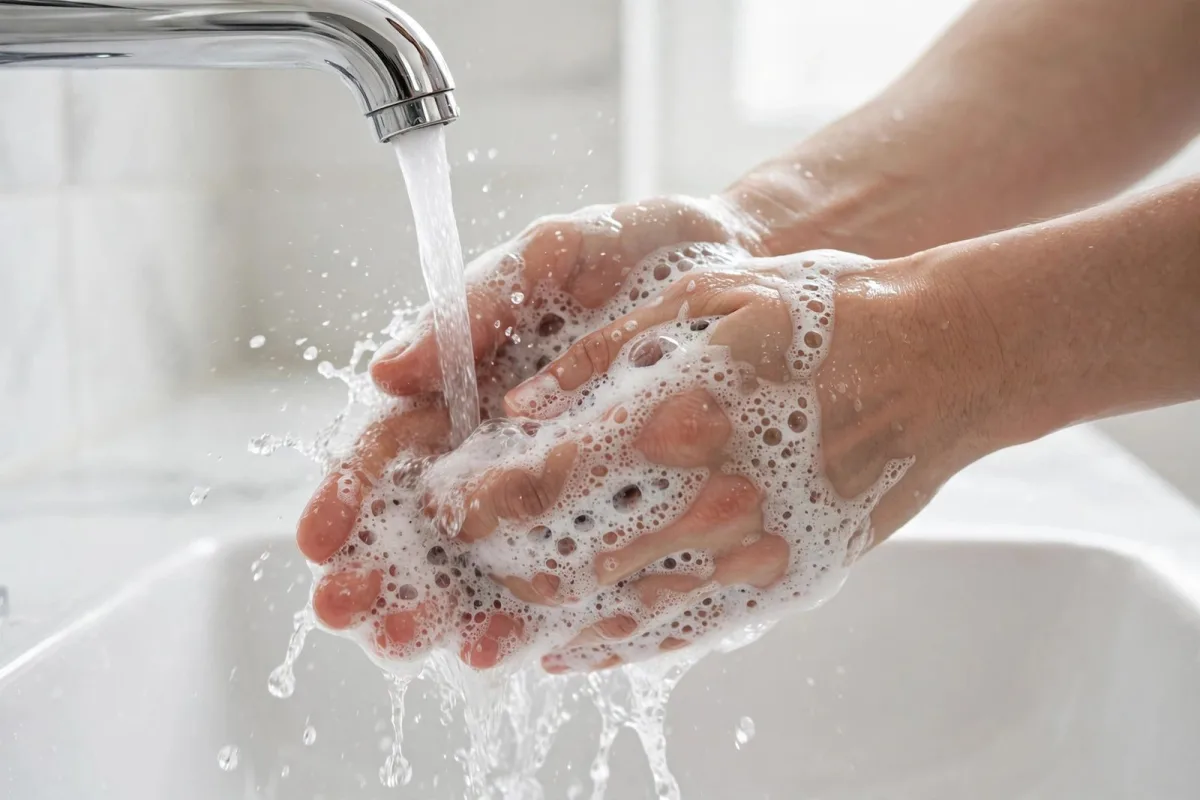
Germs reach the mouth most easily through unwashed hands. Washing your hands with soap for at least 20 seconds before eating, before cooking, and after using the toilet should be a non-negotiable habit. Teach children this habit early, making handwashing after play and returning from outside part of their daily routine. Cook food thoroughly and eat it while hot, as leftover and half-cooked foods spoil quickly in humid monsoon weather. Wash raw vegetables and fruits thoroughly with safe water. Avoid uncovered street food, pre-cut fruits, and meals prepared in unhygienic conditions, especially during the monsoon. Keep kitchen utensils and cutting boards clean, and wash items that touch raw fish or meat separately.
- Make washing hands with soap mandatory before meals and after toilet use.
- Cook food thoroughly, eat it hot, and be cautious with leftovers.
- Wash raw fruits and vegetables well using safe water.
- Avoid uncovered street food during the rainy season.
Home Care for Diarrhea and Using Oral Rehydration Salts (ORS)
If diarrhea occurs despite precautions, stay calm—your first priority is replacing lost fluids. Give oral rehydration solution (ORS) after every loose stool, as it is the most effective home treatment for diarrhea. Follow the preparation instructions printed on the packet: dissolve the entire packet in the exact specified amount of safe water, because using too little or too much water reduces its effectiveness and can be harmful. Use the prepared solution within the recommended timeframe and discard any leftover mixture after that. Continue offering rice water, coconut water, and regular light meals, and never stop breastfeeding infants. Even if vomiting occurs, keep giving small sips of ORS slowly. Taking antibiotics or anti-diarrheal medicines on your own can be dangerous—never use them without a doctor's advice.
- Give ORS after every episode of watery stool.
- Mix the packet in the exact amount of water stated on the label.
- Continue regular food and keep breastfeeding infants.
- Do not take any medication without consulting a doctor.
⚠ Warning: If you notice any severe symptoms, do not wait at home—head to a hospital immediately. Extreme weakness or drowsiness, sunken eyes, reduced or absent urination, a very dry mouth and tongue, blood in the stool, or a child crying without tears are signs of severe dehydration. Seek medical attention even earlier for children, older adults, and pregnant women, as delaying treatment can turn ordinary diarrhea into a life-threatening emergency.
Final Thoughts: Awareness Is the Best Medicine for Monsoon
Preventing waterborne diseases does not require expensive technology—it relies on consistent, everyday habits. Boiled water, handwashing with soap, clean food, and proper ORS use can protect a family from most monsoon health risks. Today, take a moment to clean your home's water storage container, keep ORS packets stocked in your medicine cabinet, and check on your children's handwashing routine. Prevention is always easier, cheaper, and safer than treatment, and that simple truth is your family's strongest shield this season.
One more thing to keep in mind: prevent water from stagnating around your home and keep the area around tube wells or water sources clean. After floodwaters recede, take extra care before using water from local sources and consult a local health worker if needed. Share this awareness with your neighbors too, because preventing waterborne illness is not just an individual effort—it is a community habit. When everyone stays alert, the entire neighborhood stays safer.
Alongside prevention, keep a small preparedness kit at home with a few packets of ORS, a thermometer, and basic first-aid supplies stored in one accessible spot. Having these ready reduces panic if symptoms worsen at night. Remember, though, that home care is only for initial management—if symptoms turn serious, a hospital is the only right place to go. Teach relatives and neighbors how to mix ORS correctly as well, because accurate information saves lives.
📱 Join my Telegram channel for more daily tips like this: https://t.me/earnhelosp


Discussion & Comments (0)
No comments on this post yet. Be the first to comment!