
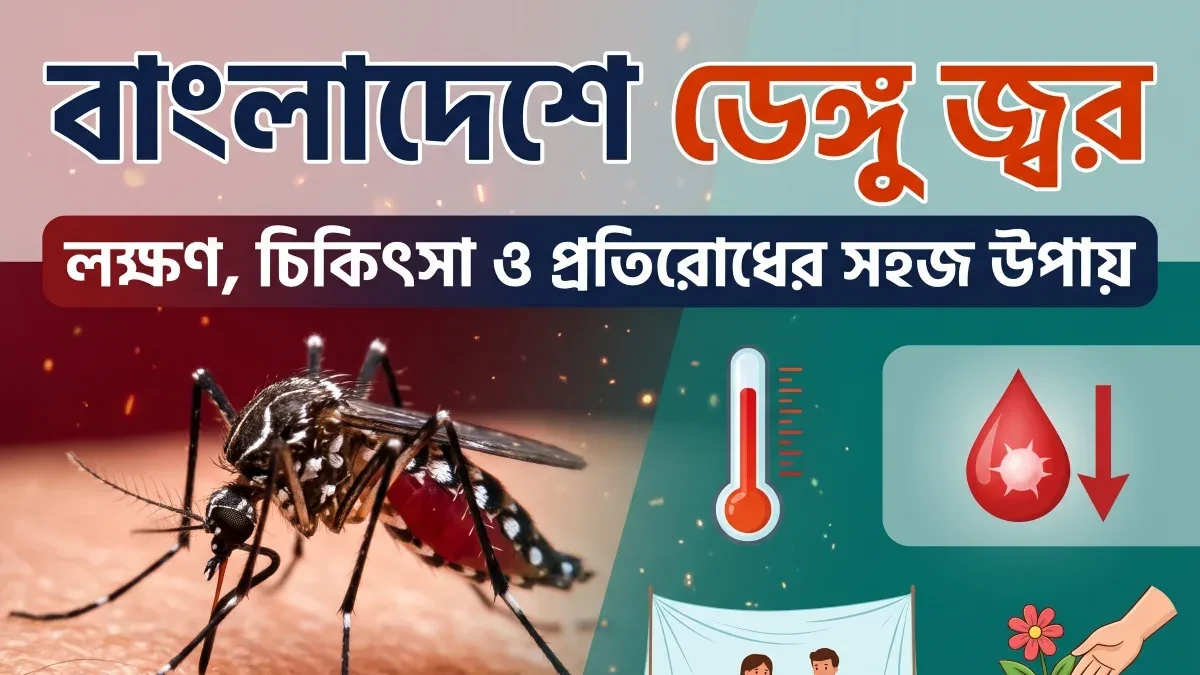
Dengue Fever in Bangladesh: Why Is It Rising and What Should We Do?
Every year during and after the monsoon in Bangladesh, dengue fever becomes a major concern. Spread by the Aedes mosquito, this viral disease has reached epidemic proportions in recent years. Cases are steadily increasing across Dhaka and other divisional and district cities, putting heavy pressure on our healthcare system. However, timely awareness and proper measures can protect us from this disease. In today's blog, we will learn in detail about the symptoms, home and hospital treatment, and prevention of dengue fever in Bangladesh.
1. Common and Severe Symptoms of Dengue Fever
Symptoms of dengue fever typically appear 4 to 10 days after an Aedes mosquito bite. Dengue can mainly be of two types—classic dengue fever and severe or hemorrhagic dengue fever.
Common Dengue Symptoms:
- Sudden high fever (can reach 103 to 104 degrees Fahrenheit).
- Severe headache, especially pain behind the eyes.
- Intense pain across the body, joints, and muscles (which is why it is called 'Breakbone Fever').
- Reddish skin rashes on the body.
- Nausea or persistent vomiting along with extreme fatigue and weakness.
Severe Dengue Warning Signs:
Sometimes, even after the initial fever subsides, the condition can turn critical. If any of the following symptoms appear, take the patient to a hospital immediately without delay:
- Severe abdominal pain and persistent vomiting.
- Bleeding from gums, nose, or under the skin.
- Blood in vomit or stool.
- Difficulty breathing or rapid breathing.
- Extreme weakness, restlessness, or fainting.
- Rapid drop in blood platelet count.
Warning: Never take painkillers like Aspirin or Ibuprofen during dengue fever, as they greatly increase the risk of bleeding. Only Paracetamol may be taken for fever as advised by a doctor.
2. Home Care & Treatment for Dengue Patients
In most cases, dengue patients recover with rest and proper care at home. However, several important rules must be followed:
- Adequate Rest: The patient must get complete physical and mental rest. No heavy work should be done.
- Plenty of Fluids: Preventing dehydration is crucial. Give the patient plenty of water, oral saline (ORS), coconut water, fruit juice, and soup.
- Nutritious Food: Provide easily digestible nutritious foods and vitamin-C rich fruits to boost immunity.
- Platelet Monitoring: Regularly monitor platelet count and hematocrit via CBC tests as advised by a doctor.
3. How to Prevent Aedes Mosquitoes & Dengue
The only effective way to stay safe from dengue is to protect yourself from Aedes mosquito bites and stop their breeding. Aedes mosquitoes lay eggs in clean stagnant water, so we must take personal and community preventive measures:
- Clear Stagnant Water: Ensure water does not accumulate for more than 3 days in flower pots, coconut shells, tires, discarded plastic containers, or AC/fridge trays. Follow the rule: 'Once every 3 days, empty stagnant water.'
- Use Mosquito Nets: Always use a mosquito net while sleeping, day or night. Since Aedes mosquitoes mostly bite during the day (especially morning and evening), extra caution is needed then.
- Wear Protective Clothing: Wear clothes that cover the body well (such as long-sleeved shirts and full pants), especially for children.
- Use Repellents: Apply mosquito repellent lotions or creams, install window nets, and spray mosquito repellent indoors.
- Community Awareness: Even if you keep your home clean, mosquitoes from neighboring stagnant water can enter your house. Collective community action is essential to keep the entire area clean.
Special Caution: Pregnant women, children, and the elderly with dengue should be kept under strict medical supervision from the very beginning without taking any risks, as lower immunity can lead to rapid complications.
Positive Conclusion
Although dengue fever is a major health challenge in Bangladesh, if each of us stays aware from our own position, this problem can be largely controlled. Keeping our homes and surroundings clean and consulting a doctor early without neglecting fever can protect us and our families from this life-threatening disease. Not negligence, but awareness is our main weapon against dengue. Stay healthy, stay safe.

Discussion & Comments (0)
No comments on this post yet. Be the first to comment!