
In my childhood, I used to wake up at dawn to the call of the Oriental magpie-robin (doel). Opening the window, I would see the small black-and-white bird singing from a mango tree branch. Nowadays, that song is heard far less often in Dhaka. Fewer trees mean fewer birds.
Around seven hundred species of large and small birds can be seen in our country. Some stay year-round, while others arrive as winter visitors. Birds are not only a source of beauty; they are also vital for the environment. They protect crops by eating insects and help grow more trees by dispersing seeds. Yet deforestation and the filling of wetlands are destroying the habitats of many species. Today, let's share the story of our familiar birds—where they live, what they eat, and how we can protect them.
Doel: Our National Bird
The Oriental magpie-robin, or doel, is the national bird of Bangladesh. This small black-and-white bird sings sweet melodies in the morning and evening. It usually lives close to humans and can be spotted in courtyards, gardens, and parks alike. Watching it hop across the ground in search of insects is a delight.
Magpie-robins build their nests in tree hollows, house eaves, or wall crevices using dry grass, roots, and feathers. Their song is so melodious that many people wake up to it at daybreak. Sadly, as city trees disappear, their numbers are declining too. Placing a small birdhouse on your balcony can invite a magpie-robin to nest there.
Mynas, Crows, and Sparrows
The common myna (shalik) is one of Bangladesh's most recognizable birds. These brown birds roam in flocks, feeding on insects and grains in paddy fields, open grounds, and courtyards. Mynas live very close to people and rarely fear them—spot a few grains of rice, and they will quickly appear.
Many people dislike crows, yet they play an essential ecological role by scavenging waste and keeping cities clean. House sparrows were once seen in every home, though their numbers have dropped sharply. Many believe the loss of large trees around homes and the rise of mobile towers have contributed to their decline. Setting out a birdhouse and a bowl of water on your balcony can help bring sparrows back.
Kingfishers and Herons: Wetland Birds
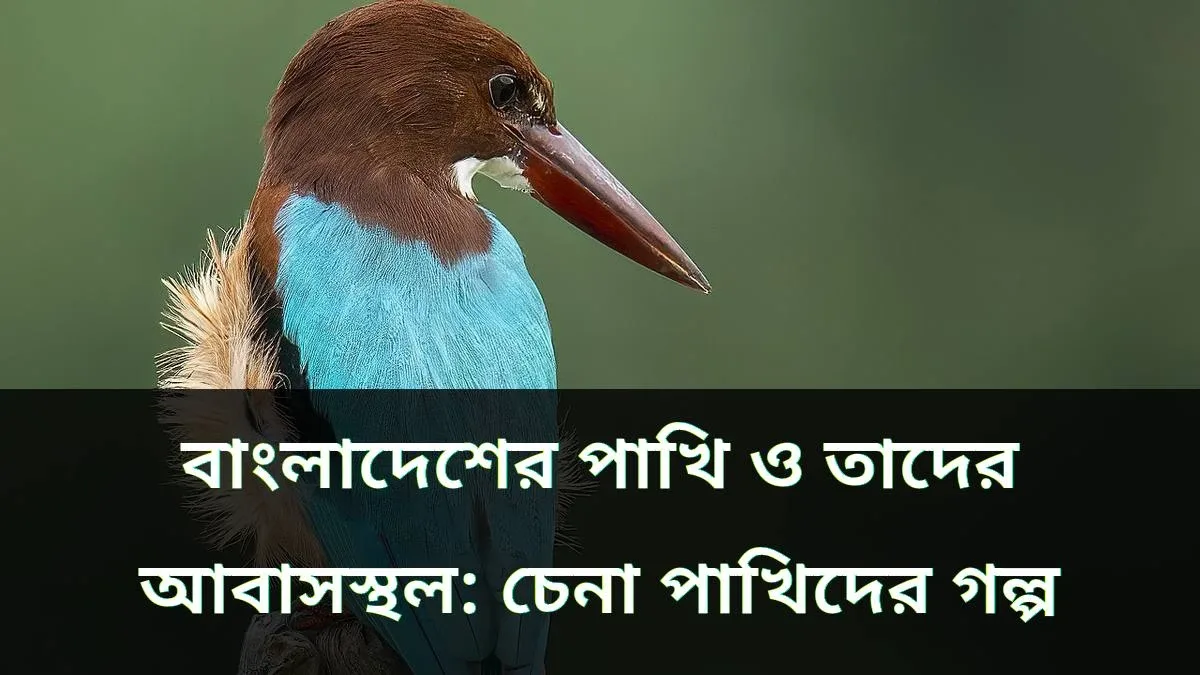
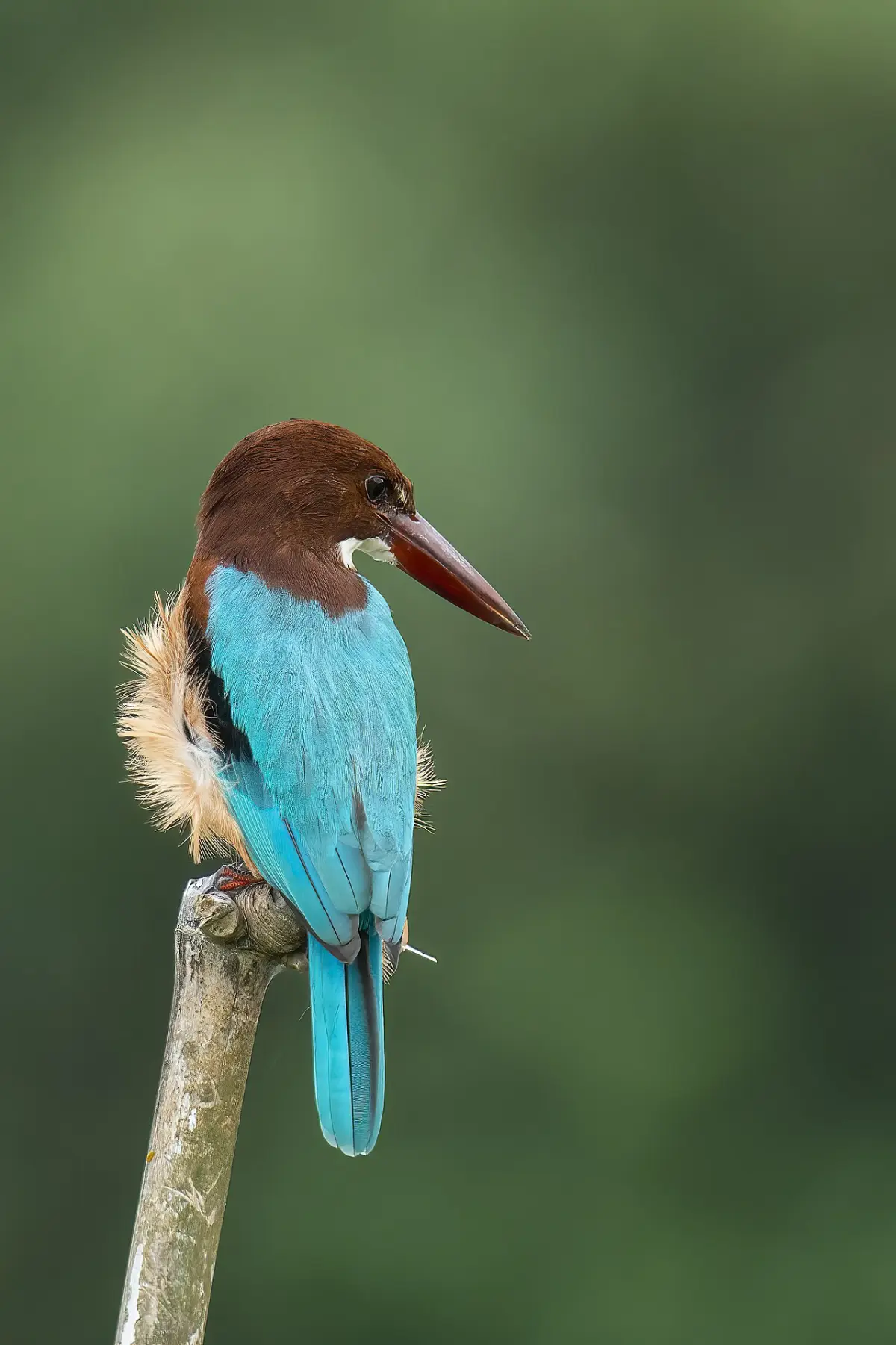
Bangladesh is a land of rivers and wetlands, making it rich in waterbirds. Kingfishers are strikingly beautiful; with their blue-and-orange plumage, they perch on branches beside ponds and dive straight into the water the moment they spot a fish. The white-throated kingfisher is the most common species in Bangladesh and is often seen along village pond banks.
Herons and egrets stand patiently in paddy fields and wetlands to catch fish. Our country is home to many varieties, including white egrets and grey herons. Cormorants dive underwater for fish, while Asian openbills feed on snails in wetlands and are commonly seen in winter. All these birds depend on clean water bodies. Filling in ponds and dumping waste into rivers put wetland birds in danger—save the pond, and you save the bird; it is that simple.

Birds of the Forests
The forests of the Sundarbans, Satchari, and Lawachara are home to many colorful birds. The myna is famous for its ability to mimic speech, and hill mynas can be found in the forests of Satchari. Parakeets, with their bright green feathers, love eating fruit. Woodpeckers tap loudly on tree trunks to hunt for insects, a sound that echoes far through the woods.
Forests also shelter bulbuls, tailorbirds, and baya weavers (babui). The baya weaver is renowned for its hanging nests—seeing them suspended from a palm tree leaves anyone amazed. I have sometimes counted twenty or thirty nests hanging from a single palm. Cutting down forests destroys the homes of these birds. Protecting forests truly means protecting birds; it is not just a slogan, it is a fact.
Winter Migratory Birds
Every winter, thousands of birds fly to Bangladesh from Siberia and Central Asia. Ducks, cranes, and lesser whistling-ducks gather in our beels and haors. Many visitors travel to Tanguar Haor, Hakaluki Haor, and the lakes of Jahangirnagar University in winter to watch these migratory guests.
Migratory birds travel thousands of kilometers solely for food and warmer weather, returning home once winter ends. Hunting them is illegal, yet some unscrupulous people still trap them with nets. When visiting a haor to watch birds, observe from a distance and avoid making loud noises that might frighten them.
What We Can Do to Protect Birds
Saving birds is not difficult. Plant trees around your home, especially fruit trees like mango, jamun, and jackfruit, where birds can nest and feed. Keep a bowl of water and some grains on your balcony—birds urgently need water during hot summer days.
Never destroy a bird's nest, and check for nests before cutting down any tree. Avoid littering plastic and waste, as birds can swallow it and fall sick. Teach children to recognize local birds; birdwatching can be a wonderful hobby, and heading out in the morning with binoculars has become a favorite pastime for many. When birds thrive, the environment stays healthy—and when the environment is healthy, we thrive too.
FAQ
Which is the national bird of Bangladesh?
The Oriental magpie-robin (doel) is the national bird of Bangladesh. This black-and-white songbird sings sweet melodies, and its image also appears on Bangladesh's two-taka banknote.
When do migratory birds arrive in Bangladesh?
Migratory birds typically arrive between November and February. During this winter season, thousands of them can be seen across haors, beels, and lakes before they return home in March.
How can I attract birds to my home?
Place a bowl of water, some grains, and a small birdhouse on your balcony, and plant fruit trees nearby. If you leave the birds undisturbed, they will gradually start visiting.




Discussion & Comments (0)
No comments on this post yet. Be the first to comment!